

Have you ever had the sinking feeling on stepping onto a soaking wet carpet? Is that because of a burst pipe or a sudden storm? Let it be anything, the vision will be creepy for every homeowner, right? A highly wet carpet will damage the structural integrity of the floor and the subfloor. Moreover, the air you breathe inside that room will be threatened. Finding a reliable team for Carpet Drying Melbourne has become an absolute race against time. The rescue team should be there on the site within 24-48 hours, or else, the wet dog smell turns into a mould colony.
Hiring the best restoration team is actually a risky task. Do you know why? Some will show up with a few household fans and just pat the carpet and assure you it’s good enough. But the real ones understand the complex science and save you thousands of dollars. Read the checklist and understand the non-negotiables.
1. 4High-Volume Sub-Surface Extraction
If the water is heavy, it will sink deep into carpet fibers rapidly and get trapped in the padding. The biggest mistake amateur cleaners make is only vacuuming the surface. The homeowners must check whether the experts hired are familiar with industrial-grade, sub-surface extraction tools. The tools squeeze water out of the padding and make it dry. If the team is not effectively drying out the visible water during this phase, they are leaving the root of the problem behind. Therefore, the homeowners must ensure that the surface is completely dried out before they leave.
2. Scientific Moisture Mapping
The homeowners cannot manage what they cannot measure. Only a pro team can understand this. They should never rely on their sense of touch to tell if a room is dry. The proactive team must arrive with a kit of tools to measure moisture content and non-penetrating sensors for hardwood carpet and drywall. The initial thing that a homeowner must check is whether the team is creating a moisture map of the affected area. It must be taken not only on day one, but daily dry goal reading thereafter.
3. Strategic Airflow and Centrifugal Air Movers
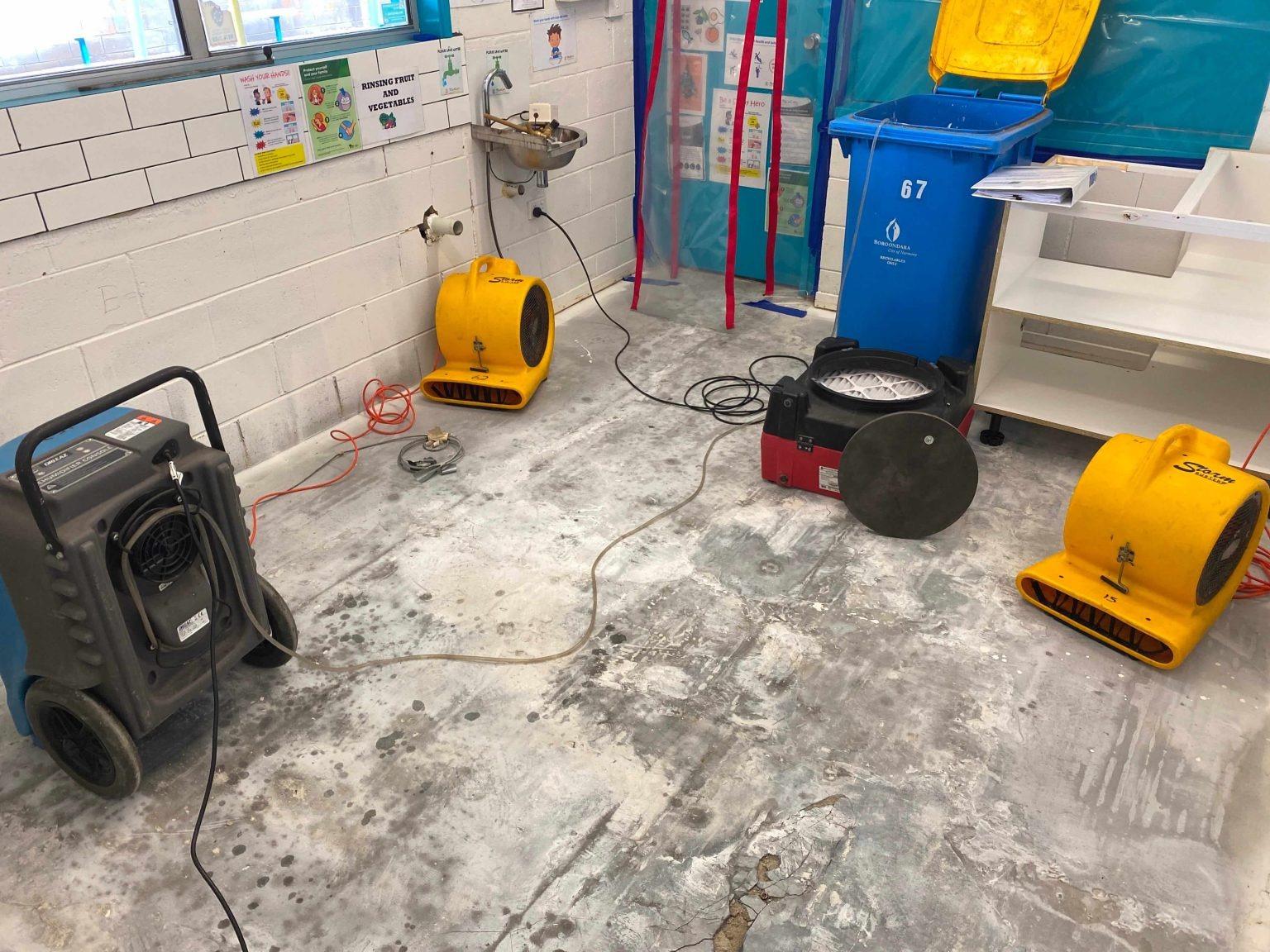
The Carpet Drying is not just about blowing air and making the to layer dry. It’s all about creating a vortex that pulls the moisture out of the affected floor. With the normal household fan, you cannot make the floor and carpet dry to their fullest, but with the centrifugal air movers, a continuous loop of air will be across the wet surface and make the surface dry. As these air movers are high-velocity fans, they can sit low to the ground, and the air reaches every corner of the carpet effectively. The rippling carpet, with the force of the air, breaks the boundary layer of the moisture.
4. LGR Dehumidification
This is yet another critical step that the DIY cleaners miss. The water in the carpet is turned into vapor with the air movers; therefore, the humidity of the room gets raised like a skyrocket. If it is not rectified, the vapor will turn back into the liquid form and will be captured back into your wooden furniture and drywalls. The LGR dehumidifiers are an effective tool that is used by experts. They are designed to pull massive amounts of water out of the air and lower the humidity. Drying out the carpet with just fans is just helping the mould to grow. The dehumidifiers are a must-have tool for expert cleaners that prevent the invasion of mould in the carpet.
5. Antimicrobial Treatment and Sanitization
The real enemy of a flooded carpet is the stagnant water that multiplies the bacterial growth. After entering into the final stage of drying, the team must apply antimicrobial treatment with a hospital-grade item. Capital Restoration Cleaning team is eminent in bringing out the botanical antimicrobial products that can kill the microscopic spores that cause unpleasant odors and respiratory irritations.