
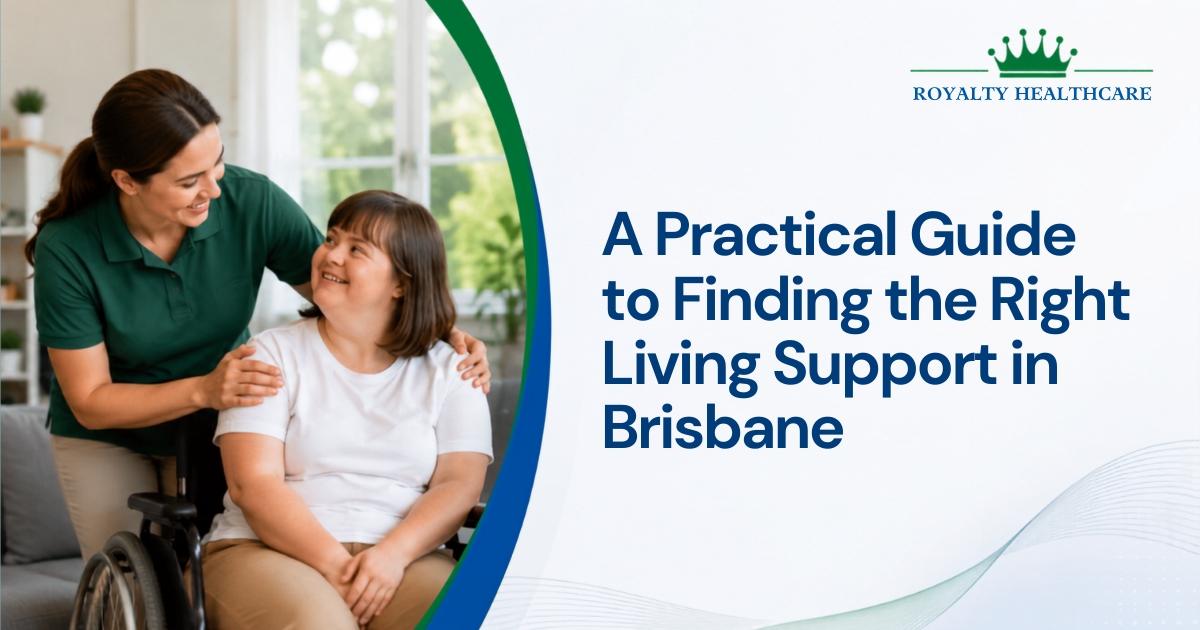

Living independently does not mean managing every task without assistance. For many people with disability, independence means having the right level of support while maintaining choice, privacy and control over everyday decisions.
Supported Independent Living, commonly known as SIL, is designed to help eligible NDIS participants receive assistance or supervision at home. This may include support with personal care, preparing meals, maintaining a household and developing practical daily living skills.
Choosing the right arrangement requires careful consideration. The provider should understand the participant’s goals, preferences, routines and support requirements. The home environment should also feel safe, comfortable and suitable for the participant’s lifestyle.
This guide explains what to consider when exploring living support options in Brisbane and how to make a confident, informed decision.
Understanding How the Support Works
SIL is an NDIS-funded support arrangement for people with higher support needs. It may be suitable for participants who require regular assistance or supervision throughout the day and night.
A participant may live alone or share a home with other people. The support arrangement depends on the individual’s needs, NDIS plan and personal preferences. Some participants may share support workers with housemates, while others may need individual assistance at certain times.
It is important to understand that SIL funding generally relates to the support delivered within the home. It is not the same as paying for the property itself. Rent, groceries and ordinary living expenses are usually separate responsibilities.
When comparing SIL providers Brisbane, participants and families should look beyond the availability of a room. The quality of the support arrangement matters just as much as the property. A suitable provider should explain how support will be delivered, how workers will be matched and how the participant’s goals will be reviewed over time.
What Daily Assistance May Include
The level and type of support should reflect the participant’s individual circumstances. A personalised arrangement may include assistance with:
- Personal care, such as showering, dressing and grooming
- Preparing meals and developing cooking skills
- Cleaning, laundry and other household tasks
- Building a consistent daily routine
- Taking medication according to an agreed support plan
- Attending appointments and maintaining important commitments
- Developing communication and social skills
- Making everyday decisions with greater confidence
- Accessing community activities and social opportunities
- Managing unexpected situations safely
The purpose is not simply to complete tasks on the participant’s behalf. A good support approach should encourage participation wherever possible. Small steps, such as helping to plan a weekly menu or prepare a simple meal, can strengthen practical skills and build confidence over time.
Looking Beyond the Property
A comfortable home is important, but it is only one part of the decision. Participants should also consider whether the environment is suitable for their routines, mobility needs, communication preferences and personal goals.
For example, a participant may want to live close to family members, medical appointments, shops or public transport. Another person may prefer a quieter residential area or a home with outdoor space. Some participants may require accessibility features, while others may need a setting that supports sensory comfort and predictable routines.
When exploring sil brisbane options, ask whether the property and support model are genuinely appropriate for the participant. A suitable arrangement should not feel like a temporary compromise. It should provide stability while allowing the participant to make meaningful choices about how they live.
It is also helpful to consider compatibility when a shared home is being discussed. Participants should be given clear information about the household environment and have an opportunity to determine whether the arrangement feels right for them.
Questions to Ask Before Making a Decision

A provider should be willing to answer practical questions openly and clearly. Before agreeing to an arrangement, consider asking:
- How will the support plan be developed around the participant’s goals?
- What experience does the team have with similar support needs?
- How are support workers selected and matched with participants?
- Will the participant have an opportunity to meet potential housemates?
- How are privacy, dignity and personal choice respected within the home?
- What happens if a regular support worker is unavailable?
- How are concerns, incidents or feedback managed?
- What costs are included, and which expenses remain the participant’s responsibility?
- How often will the support arrangement be reviewed?
- Can the level of assistance change if the participant’s needs evolve?
- Is the provider registered or applying for registration under the current requirements?
- Who should the participant or family contact if they have questions?
The answers should be specific and easy to understand. A reliable provider will take the time to explain the process rather than rushing the participant into making a decision.
Supporting Independence in Everyday Life
The right arrangement should help the participant build confidence and enjoy greater control over daily life. Independence looks different for everyone. For one participant, progress may mean learning to prepare breakfast with less assistance. For another, it may mean feeling comfortable joining a local activity or making decisions about their weekly routine.
When assessing supported independent living brisbane, consider whether the provider focuses on long-term outcomes as well as immediate needs. Support should be delivered with patience and respect. It should encourage skill development without creating unnecessary pressure.
A participant-centred provider will also recognise that goals may change. Regular communication is essential so that support remains relevant, practical and aligned with the participant’s NDIS plan.
A Local Team Supporting Participants Across the Region
Royalty Healthcare is a registered NDIS provider delivering person-centred disability support across Brisbane and surrounding areas, including Ipswich, Logan, the Gold Coast and the Sunshine Coast.
Its services include Supported Independent Living, short-term respite care, complex care, mental health support, community participation, life skills development, nursing and behaviour support services. This range of assistance can help participants access support that reflects their circumstances and goals.
Royalty Healthcare’s approach is centred on dignity, choice and practical independence. The team works with participants and families to understand individual routines, preferences and support needs before recommending an arrangement.
For participants exploring home and living options, discussing goals directly with an experienced provider can help clarify what support may be appropriate and what steps may be required.
Reviewing Safety, Quality and Registration
Safety should be a key consideration when selecting a provider. Participants and families should feel comfortable asking about worker screening, training, supervision and incident management processes.
It is also important to discuss provider registration. Under current NDIS changes, SIL providers must be registered or apply for registration by 1 October 2026. Asking about registration can help participants make informed decisions and avoid unnecessary disruption later.
A trustworthy provider should welcome questions about quality and safety. Clear communication is not an optional extra. It is an important sign that the organisation respects participants and understands its responsibilities.
Making a Confident Choice
Choosing a living support arrangement is a significant decision. It is worth taking the time to visit the property, speak with the provider and review the proposed support plan carefully.
Participants should feel involved at every stage. Their preferences should guide decisions about routines, workers, housemates and goals. Families and support coordinators may also provide helpful input, but the participant’s comfort and choice should remain central.
The right support arrangement can create more than a safe place to live. It can provide opportunities to develop skills, connect with the community and approach everyday life with greater confidence.
Final Thoughts
Finding the right provider is about more than comparing services. It is about choosing a team that listens, communicates clearly and treats independence as a personal journey.
A suitable arrangement should provide the right balance of assistance, privacy and choice. With careful planning and the right support team, participants can enjoy a living environment that feels comfortable, empowering and genuinely their own.