
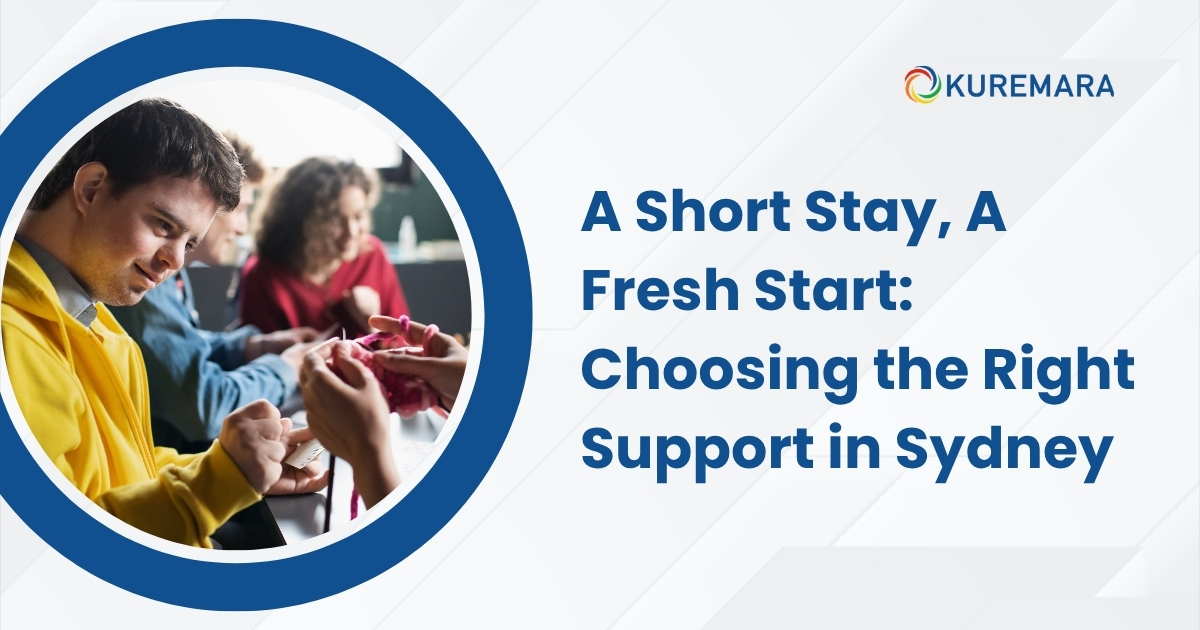

Sometimes, the right support is not about a permanent change. It is about creating space to rest, reset, recover, and regain confidence. For many participants and families, short-term accommodation can offer exactly that. It can provide a safe place to stay, a break from routine, and an opportunity to build independence in a supportive environment.
In Sydney, families often explore short stays for different reasons. A participant may want to experience a new setting, try more independent living, or take part in social activities. A carer may need time to rest and recharge. A family may need temporary support during a transition, unexpected situation, or busy period. Whatever the reason, the goal should remain the same: care that feels safe, respectful, and genuinely helpful.
Choosing the right provider matters because short-term support still shapes the participant’s overall experience. A good service should feel structured without being restrictive. It should balance support with dignity, routine with flexibility, and safety with comfort. Most of all, it should never feel like “just a temporary placement.” Even a short stay should feel meaningful and well planned.
Why short-term support can make a real difference
Short-term accommodation is often one of the most practical forms of support under the NDIS because it can meet both participant and family needs at the same time. It can create breathing room while still ensuring continuity of care.
A well-managed short stay can help participants:
- experience a change of environment in a safe way
- build confidence outside their usual routine
- develop social and everyday living skills
- access support during transitions or unexpected circumstances
- enjoy structured activities and meaningful engagement
For families and carers, it can also provide an important pause. Caring responsibilities are significant, and even the most dedicated carers need time to rest, attend to other responsibilities, or simply recharge. The right provider understands that short-term support is not only about accommodation. It is about wellbeing for everyone involved.
This is one reason many families begin their search with terms like sta providers sydney when they want local options that can offer both practical care and peace of mind.
What families should look for in a short stay service
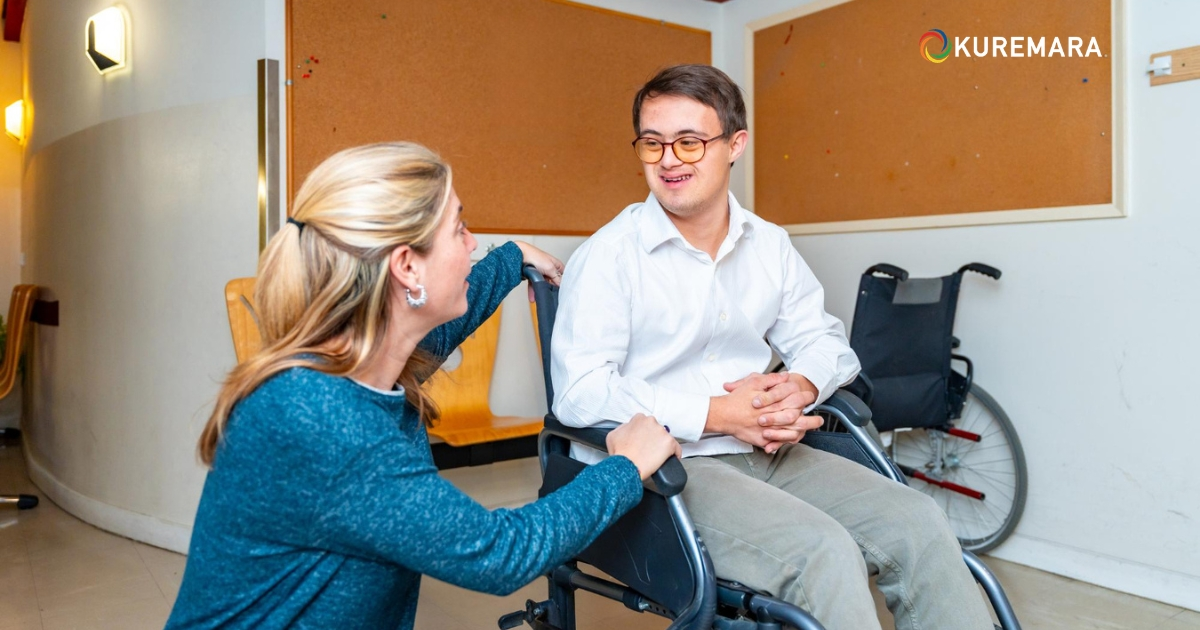
Not all short-term accommodation experiences are the same. Some feel warm, organised, and participant-focused. Others can feel rushed or impersonal. That is why asking the right questions early makes a difference.
When reviewing a provider, look for signs that they offer:
- clear communication before, during, and after the stay
- tailored support based on the participant’s needs and preferences
- safe, comfortable, and suitable accommodation
- experienced support workers who understand individual care needs
- structured routines as well as flexibility where needed
- opportunities for social connection and personal development
Families should also ask how the provider manages medication, personal care, mobility needs, behavioural support, dietary preferences, and transitions into and out of the stay. These practical details often determine whether the experience feels smooth and reassuring.
More than a break from routine
Short-term accommodation can be valuable for reasons beyond respite alone. For some participants, it offers a chance to meet new people, try new activities, and become more confident in different settings. For others, it can act as a stepping stone toward more independent living in the future.
That is why the service should be thoughtfully designed. A short stay should not simply “fill time.” It should support the person in a way that aligns with their abilities, comfort level, and goals. Good providers understand that temporary care still needs to be intentional.
In many cases, families searching for Ndis short term accommodation Sydney are not only looking for somewhere safe to stay. They are also looking for a service that feels professionally managed, welcoming, and capable of supporting the participant as a whole person.
Signs of a high-quality experience
Pointwise, a strong short stay experience often includes:
- a clear intake process and understanding of support needs
- comfortable accommodation with appropriate accessibility
- reliable staff support throughout the stay
- engaging activities or opportunities for community participation
- attention to emotional wellbeing, not just basic care
- consistent updates for families where appropriate
These features matter because short-term accommodation should not create extra stress. It should reduce pressure, support continuity, and leave the participant feeling safe and respected.
Understanding Kuremara’s approach
Kuremara describes itself as a registered NDIS provider offering disability support services across Australia, including Sydney. Its main website lists Short Term Accommodation among its core services and describes STA as a “home away from home” where participants can meet new friends, try new things, and recharge. The site also notes that under the NDIS, STA replaces what used to be called respite.
Kuremara’s Sydney service pages present STA as part of its local support offering. One Sydney page describes Short Term Accommodation as creating fun and rewarding experiences for a period while a family member or carer can take a respite. Another Sydney-specific STA page states that participants can enjoy short stays away from home in a supportive setting and refers to Kuremara as an NDIS-registered STA provider in Sydney.
The Kuremara website also lists Sydney as one of the locations where its broader disability support services are available, and it provides a contact number of 1300 000 799 and the email care@kuremara.com.au.
For families reviewing providers, this kind of information can be useful because it helps confirm that STA is part of the provider’s established service mix rather than a side offering. It also gives families a clearer starting point for asking questions about suitability, location, and support arrangements.
Questions to ask before making a decision
Before booking or arranging a stay, it helps to ask detailed and practical questions. This can prevent confusion later and improve confidence in the provider.
Consider asking:
- what support is included during the stay
- whether staff are available 24/7 if required
- how the provider manages medications and health needs
- what activities or routines are available during the stay
- how families are updated if needed
- whether the accommodation suits mobility or accessibility requirements
- what the transition process looks like before arrival and after departure
These questions can quickly show whether a provider is prepared, transparent, and genuinely participant-focused.
Why respite should feel respectful
Respite is not simply about “giving carers a break.” It should also feel positive for the participant. The experience should be comfortable, structured, and suited to the person’s personality and support needs. Participants should feel welcomed, not displaced.
This is especially important because the language around respite can sometimes make it sound secondary. In reality, good short-term support can strengthen routines, improve confidence, and create positive new experiences.
Families often search for ndis respite sydney because they want reassurance that a temporary stay can still provide quality care, emotional safety, and a respectful environment for their loved one.
What makes the right provider stand out
Pointwise, the right provider usually stands out through:
- empathy in communication
- strong planning and clear expectations
- attention to both safety and comfort
- support that is personalised rather than generic
- consistency in service delivery
- a genuine understanding of participant and carer needs
These qualities help transform a short stay from a practical arrangement into a positive and supportive experience.
Conclusion
Short-term accommodation can be a valuable support when it is delivered with care, structure, and genuine understanding. Whether the goal is rest, transition, social connection, or temporary support, the right provider can make the experience feel safe, empowering, and worthwhile.
Kuremara presents itself as a registered NDIS provider offering STA in Sydney as part of its wider disability support services, with a focus on creating supportive short stays and respite opportunities for participants and families.
For families choosing short-term support in Sydney, the best next step is to look beyond availability and ask how the provider will make the stay feel right for the individual. That is where quality care begins.